Staying calm in the middle of a stressful moment with the kids is something I practise every day, and it is not always easy. What I have learnt is that calm starts with us. When we are calm, it is much easier to help a child who is having a hard time.
I’m Michele, a Brain Gym® Consultant and Primitive Reflex Integration Practitioner in Perth, and a mum of three. Here is what I come back to when everyone at home is on edge.
Nervous system regulation for kids, in plain terms
Our nervous system has two sides that work in opposite ways. The sympathetic side is “fight or flight”. The parasympathetic side is “rest and digest”. The vagus nerve, the longest nerve in the body, is a major part of the rest and digest side.
The nervous system plays an important role in how children process sensory information, respond to stress and regulate their emotions. When we help a child calm down, we are helping them move back towards rest and digest. It is much easier when we are there ourselves.
Start with the basics
I think of calm in layers. The outer layer is the easy stuff: enough sleep, food and water. It is the first thing to check when the whole house feels wound up.
Slow breathing, humming and singing
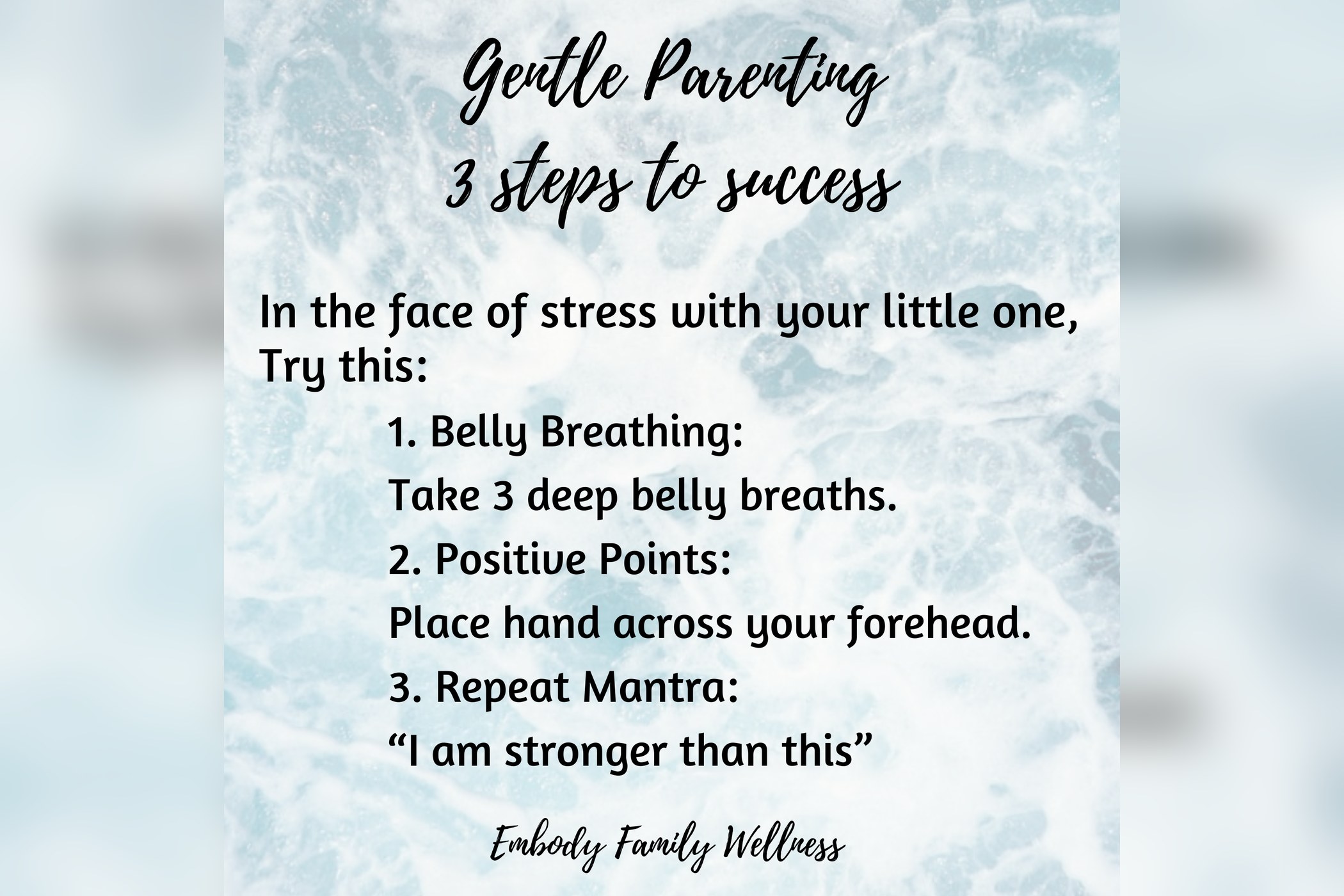
Slow, rhythmic, deep breathing, right down into the belly rather than shallow chest breathing, is one of the simplest ways to switch towards rest and digest. Belly breathing is one of the three quick calming exercises I use with my own family.
Speaking and humming help too, because the vagus nerve is connected to the vocal cords. Singing together counts. It is also a lovely way to get through the daily routine with little ones.
Move, and get outside
Exercise helps, both the vigorous kind and the calming kind like yoga or meditation. So does time doing things you enjoy, like being in nature. For children that might be the playground, animal walks in the backyard or a few movement breaks between homework tasks.
Notice what is triggering the stress
This is the gritty part that takes real thought. Am I frustrated at the kids for taking so long, or am I really feeling guilty because I haven’t prepared and still have things to do myself? Am I cross with a child acting out in a shop, or am I worried about what other people are thinking?
Being present matters too. When my number two says “Mum, look at my picture” and I am caught up in my own thoughts, she says it again and again until she is yelling, and then I snap. Being present and understanding what is triggering our stress responses are valuable tools in staying calm.
Repair when calm goes out the window
It will happen. What matters is coming back to it: “Sorry I yelled, I’ve realised how many things I still need to do.” When you realise what you are doing, it does get easier to get a grip on it.
How I help children calm their nervous system
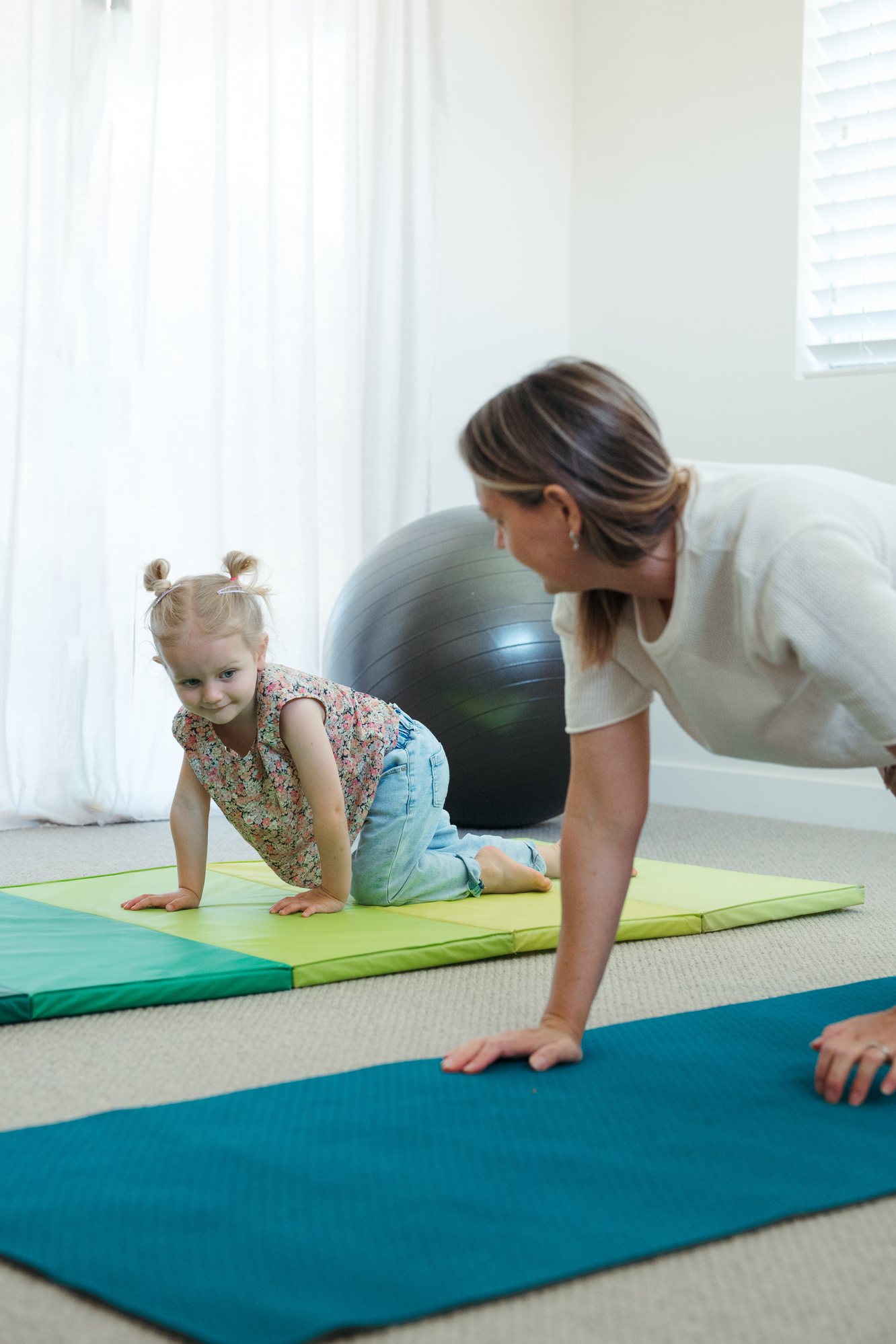
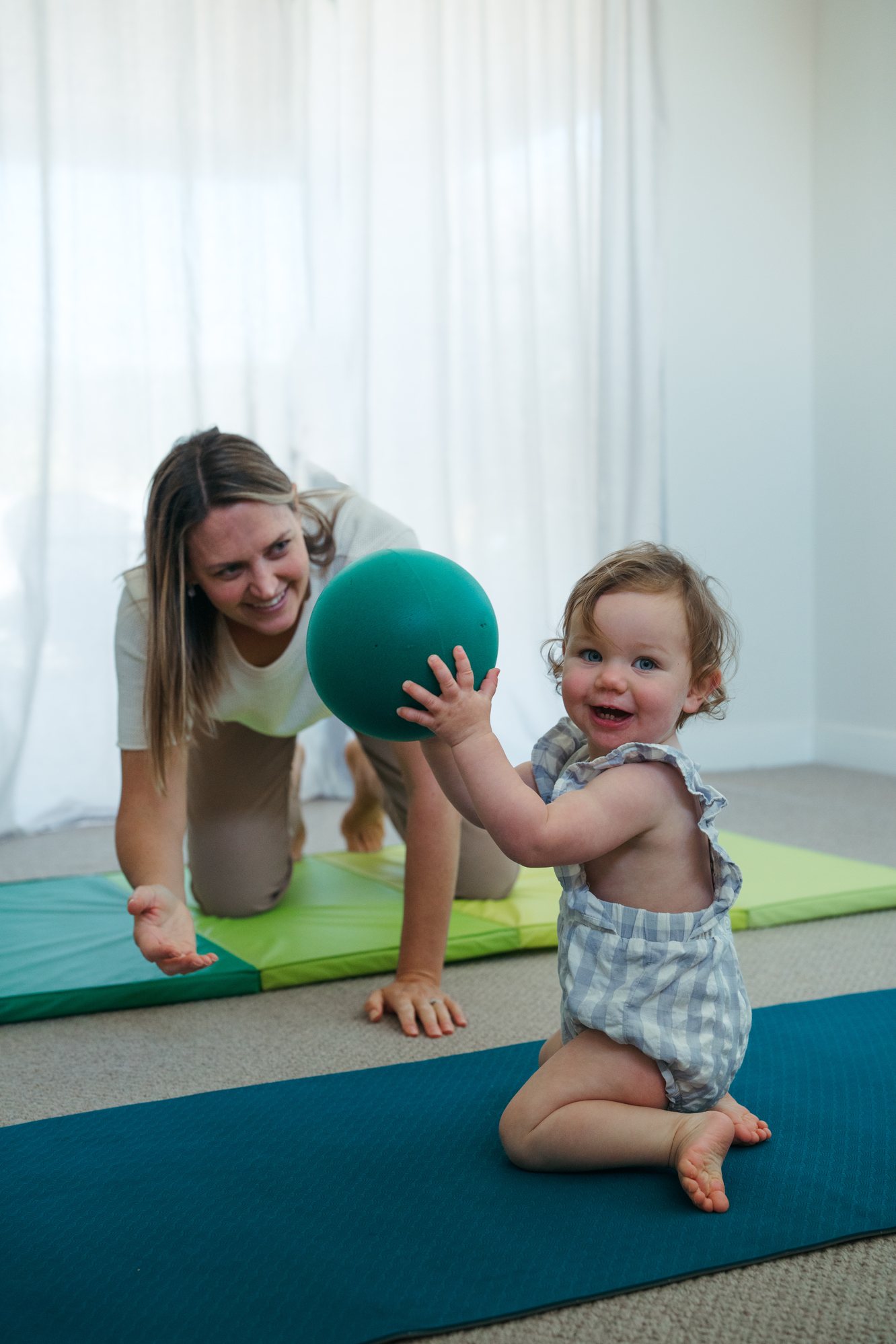
I teach children how to use their breath to help calm and regulate their nervous system. Through breathing exercises and rhythmic movements, we support the connection between the brain and body, helping children develop greater awareness of their physical sensations and emotions.
As children become more aware of how their bodies feel when they are excited, frustrated or overwhelmed, they can begin to recognise these changes and learn strategies to help them feel calmer and more in control. Over time, these skills can help children respond more effectively to their environment and navigate everyday challenges.
When your child is often overwhelmed
When the Moro reflex, the startle reflex, is retained, children can be easily overwhelmed, anxious or sensitive to noise and light.
Brain Gym® is a series of simple body movements that assists to create new pathways for the situations that cause stress in the brain and body. It can help children, and it can help parents and people working with children to remain calm and think clearly under pressure. You can read more on my Brain Gym® page.
If you are worried about your child, please check in with your GP too. My work is movement based and sits alongside medical care, not instead of it. You are welcome to get in touch for a free phone chat about what you are noticing.
Is there research behind it? Yes. Primitive reflex integration exercises are researched for their effect on childhood motor and neurological patterns. See the research.