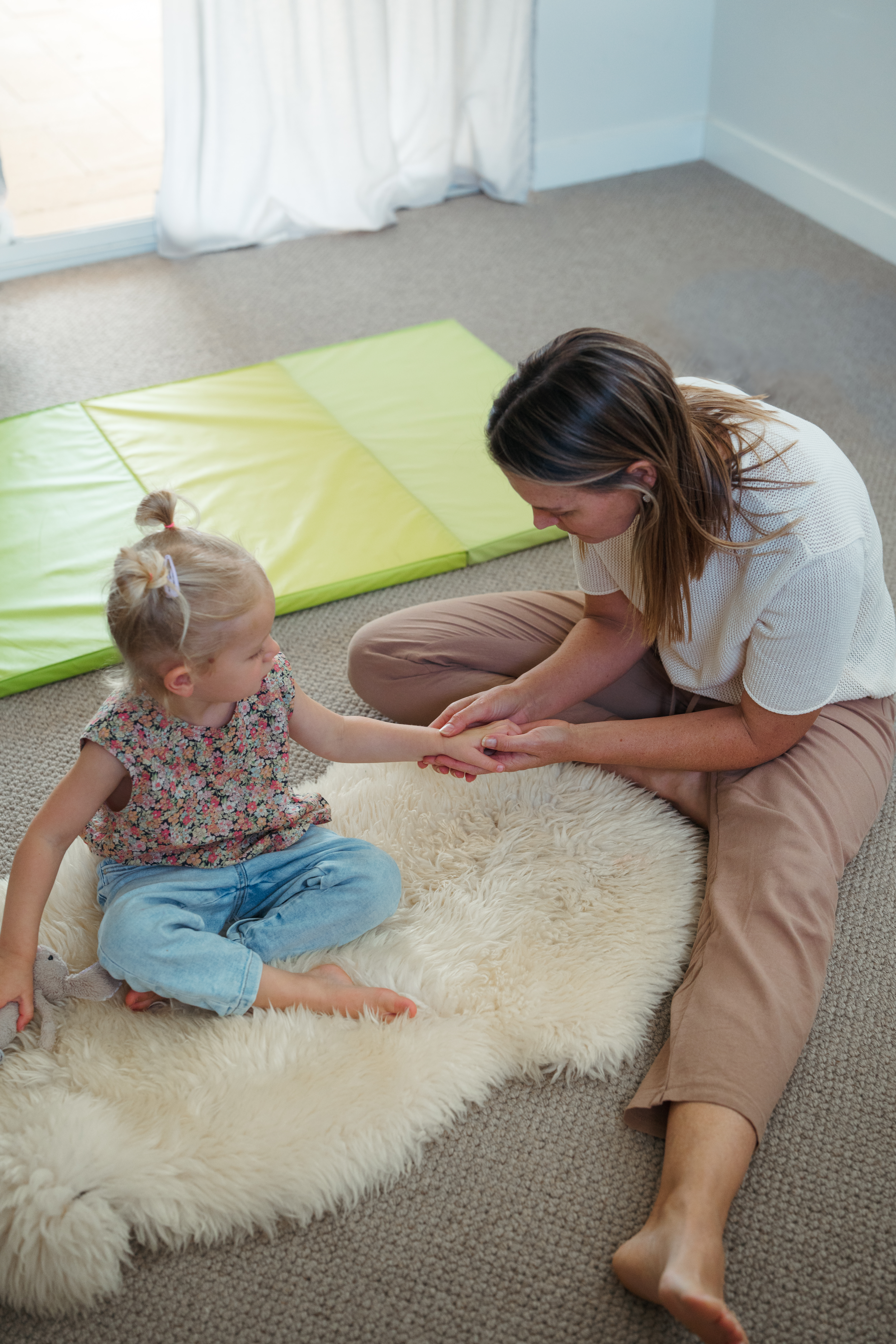
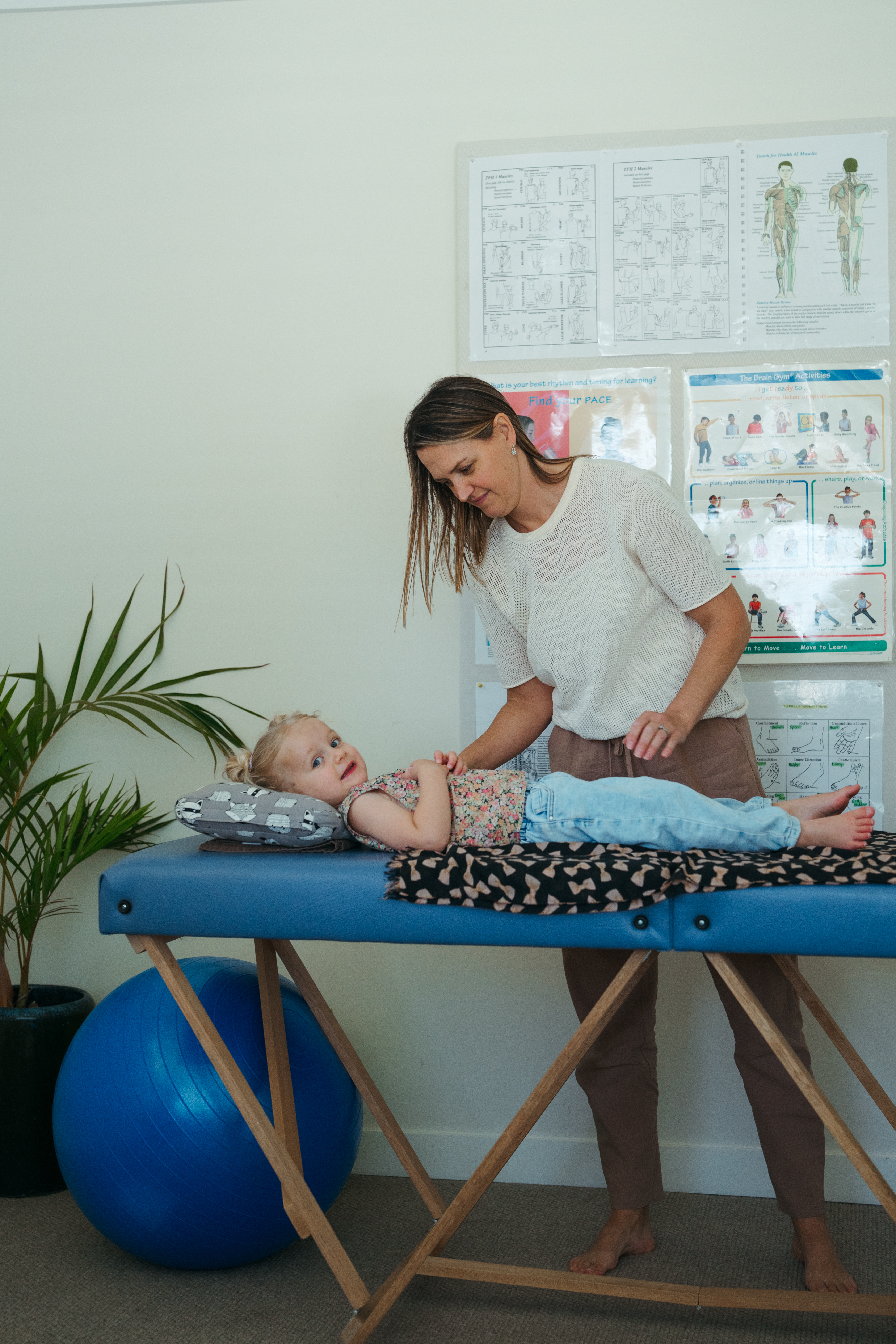
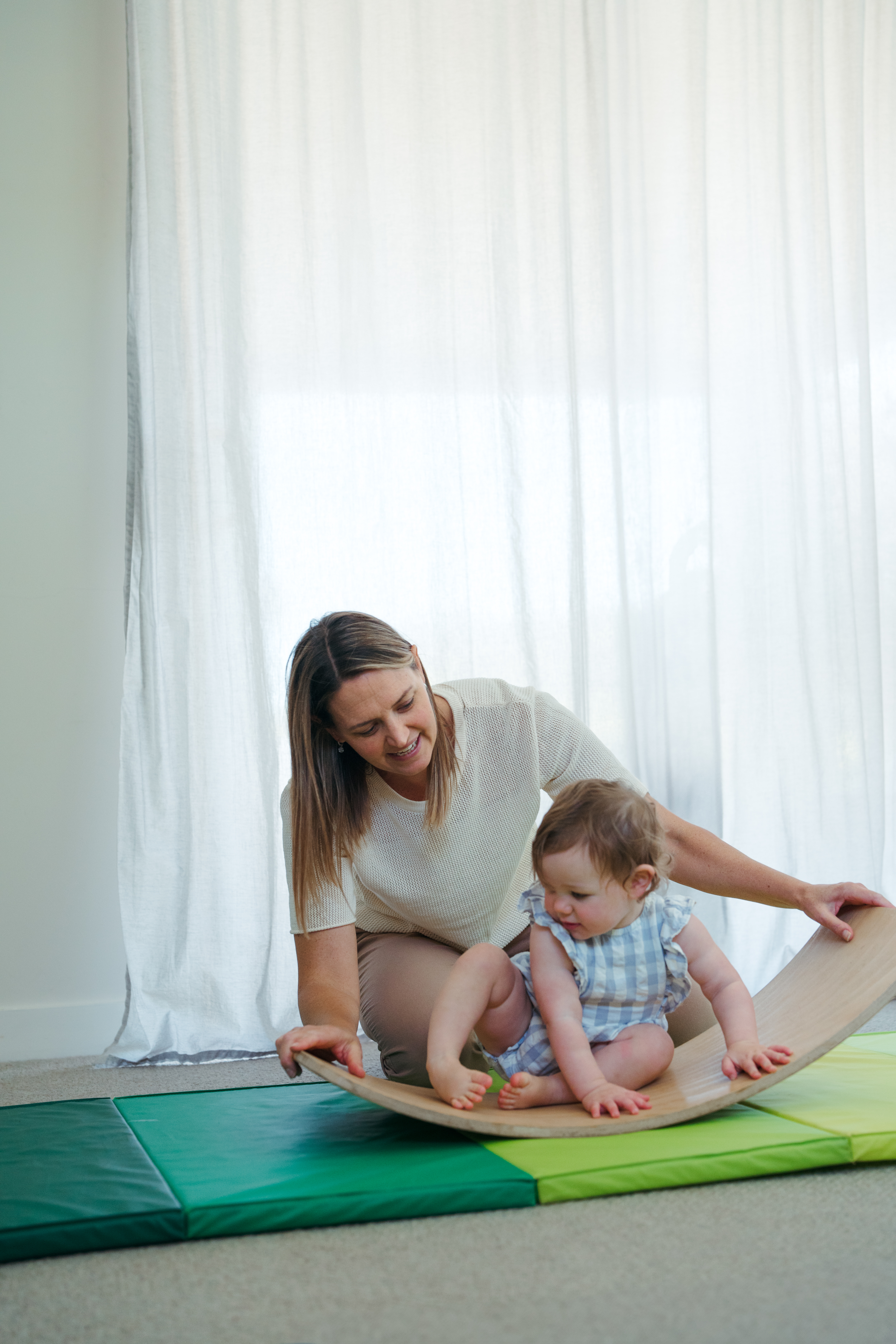
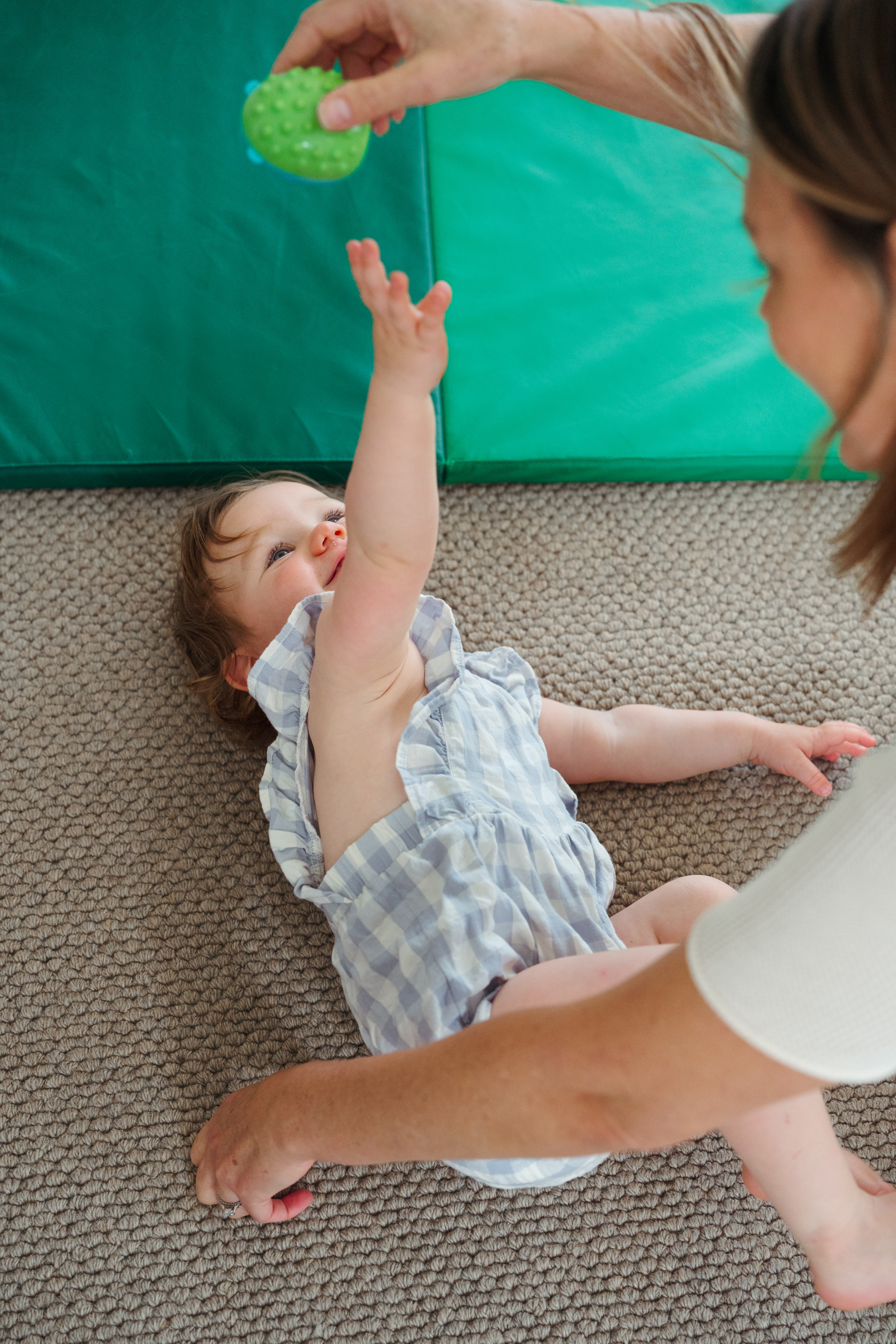
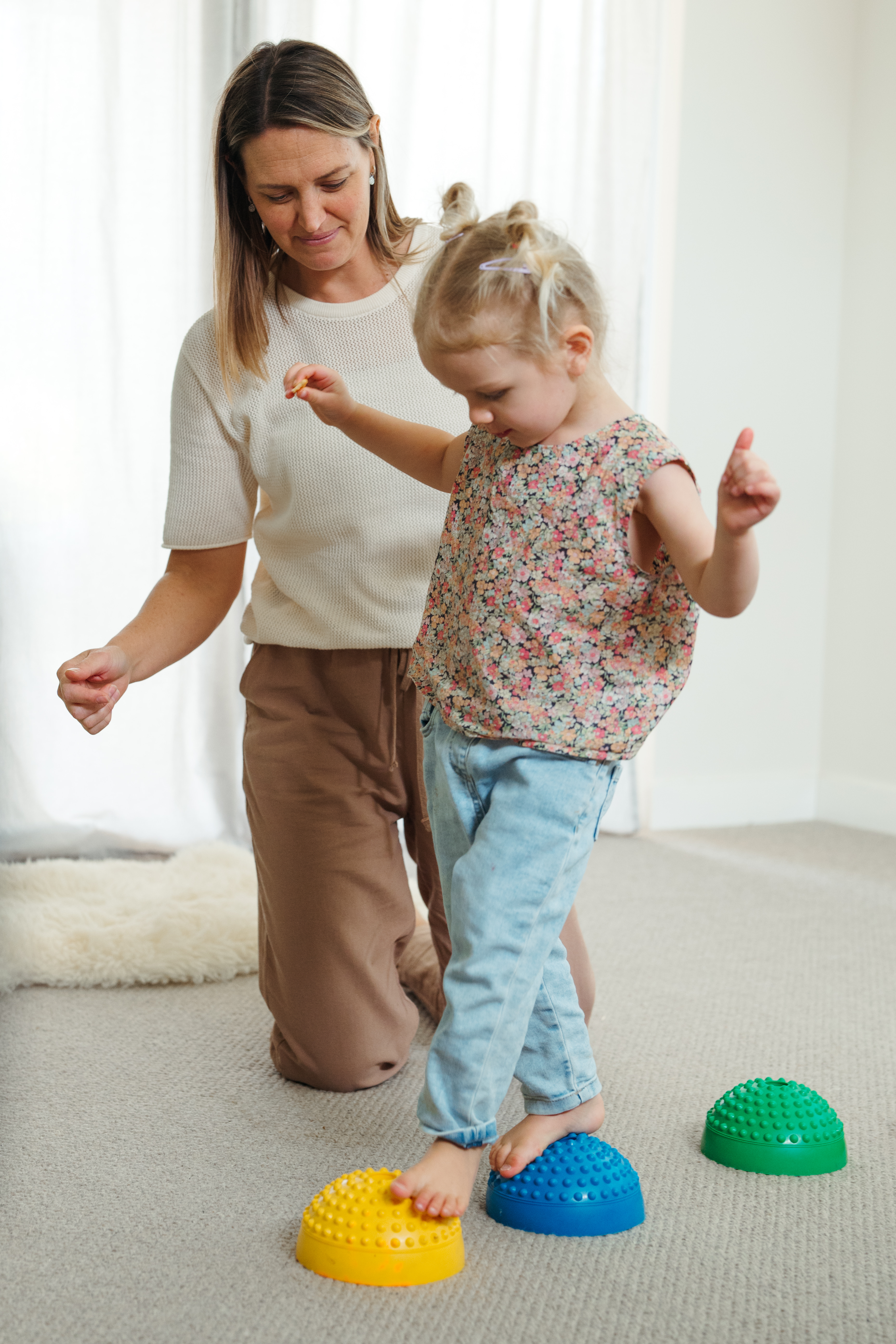
As an Integrative Movement Specialist I combine my qualifications as a Brain Gym® Consultant and Primitive Reflex Integration Practitioner to help your child obtain the best results.
To register your interest or book an appointment click here.
What is Brain Gym®?
Neuroscientists have proven the link between movement and learning as well as plasticity of the brain (its ability to change). Brain Gym® is a series of simple body movements that are used to integrate the brain by improving communication and flow between the two hemispheres (reading, writing, speaking, listening and coordination) as well as top to bottom (focus, understanding and feelings of safety) and front to back (memory, planning, sharing and organising). Brain Gym® assists to create new pathways for the situations that cause stress in the brain and body.
What are Primitive Reflexes?
Primitive reflexes are involuntary and automatic responses that develop during the neonatal period that integrate over time as the brain matures. These are automatic movements and are controlled by the brainstem, meaning there is no cerebral involvement. They are present for survival and development in the early months of life. Most Primitive Reflexes are developed and integrated by 4-6months. Under stress this sequential development may be impacted and reflexes can be ‘retained’.
Reflexes can be ‘retained’ due to many reasons such birth method, like Caesarean section versus vaginal delivery, trauma, illnesses, exposure to toxins, anaesthetics, and medications. Obviously, all of these things do not result in retained reflexes, but they are possible causes.
Symptoms of brain imbalances and / or Retained Primitive Reflexes:
Hypersensitivity to one or more sensory systems, vestibular deficits (motion sickness, poor coordination and balance), thumb sucking, speech and articulation problems, poor fine motor skills, decreased hand eye coordination, problems with math and reading, bedwetting after potty training, hyperactivity, attention and concentration issues, toe walking, hyper-mobility of joints, weak muscles, poor posture and muscle tone, delayed motor development and W sitting position common, sloppy/messy eater, poor hand/eye coordination.
Who does Brain Gym® and Reflex Integration help:
Not limited to:
- Preventative exercises from birth to 2.5 years.
- Children of all ages from 2.5 years.
- Children with learning challenges for example dyslexia, dyspraxia, autism and ADHD- to reduce stress and improve learning (NDIS clients welcome).
- Sports people- to improve performance through coordination, confidence and peripheral vision.
- Parents and people working with children- to assist their students / children and also assist themselves in their ability to remain calm and think clearly under pressure.
- Anyone living with stress.
How long does it take to see improvements:
During an initial consult reflexes are assessed along with brain body dominance and patterns. An individual plan is then developed with specific exercises for weekly sessions. If exercises are practiced at home through ‘Home play’ the new pathways will be strengthened quicker. Positive results are usually seen after 5 or 6 weeks, maintenance through weekly or fortnightly sessions can continue depending on the individual.
Currently I am offering both face to face and online appointments. To make an appointment or register your interest click here.
Research
Primitive reflex intergation exercises are researched and proven to help with childhood motor and neurological patterns. Please see link. See Research tab for more articles.
Further information about the brain…
The brain is made of 2 sides the left and right. The right side controls the left side of the body and the left controls the right side. People usually have a dominance of one side, this can change between activities. The left brain is characterised with abstract thinking, order/ sequencing, step by step processes, there is a focus on time and numbers. The right side is the creative, emotional side, relating one thing to another, spatial and seeing things as a whole picture.
When the brain is functioning at its best, a person is able to easily transition between the both sides as needed. They are able to make plans, choices, learn new skills, work independently and also cooperatively. They are able to notice, care and relate to others. They are open to communication, learning and loving. They have spatial and global awareness.
When the brain is in a stressed state the person is not able to transition between both sides of the brain as well. One side can become more dominant and the other side may switch off, resulting in things like, lack of organisation, order, ineffective communication or expression.
 Embody Family Wellness